
What a Wind Farm Repower Looks Like — and Why It Matters
An ideal project for BROOK is a wind farm repower.
A repower occurs when a wind farm reaches a stage in its lifecycle where replacing or upgrading major turbine components becomes more effective than continuing to maintain aging equipment. These projects are capital-intensive, but they are also a natural progression for wind farms approaching the end of their original design life. When repowering happens, it is often done at scale — sometimes involving hundreds of turbines at a single site.
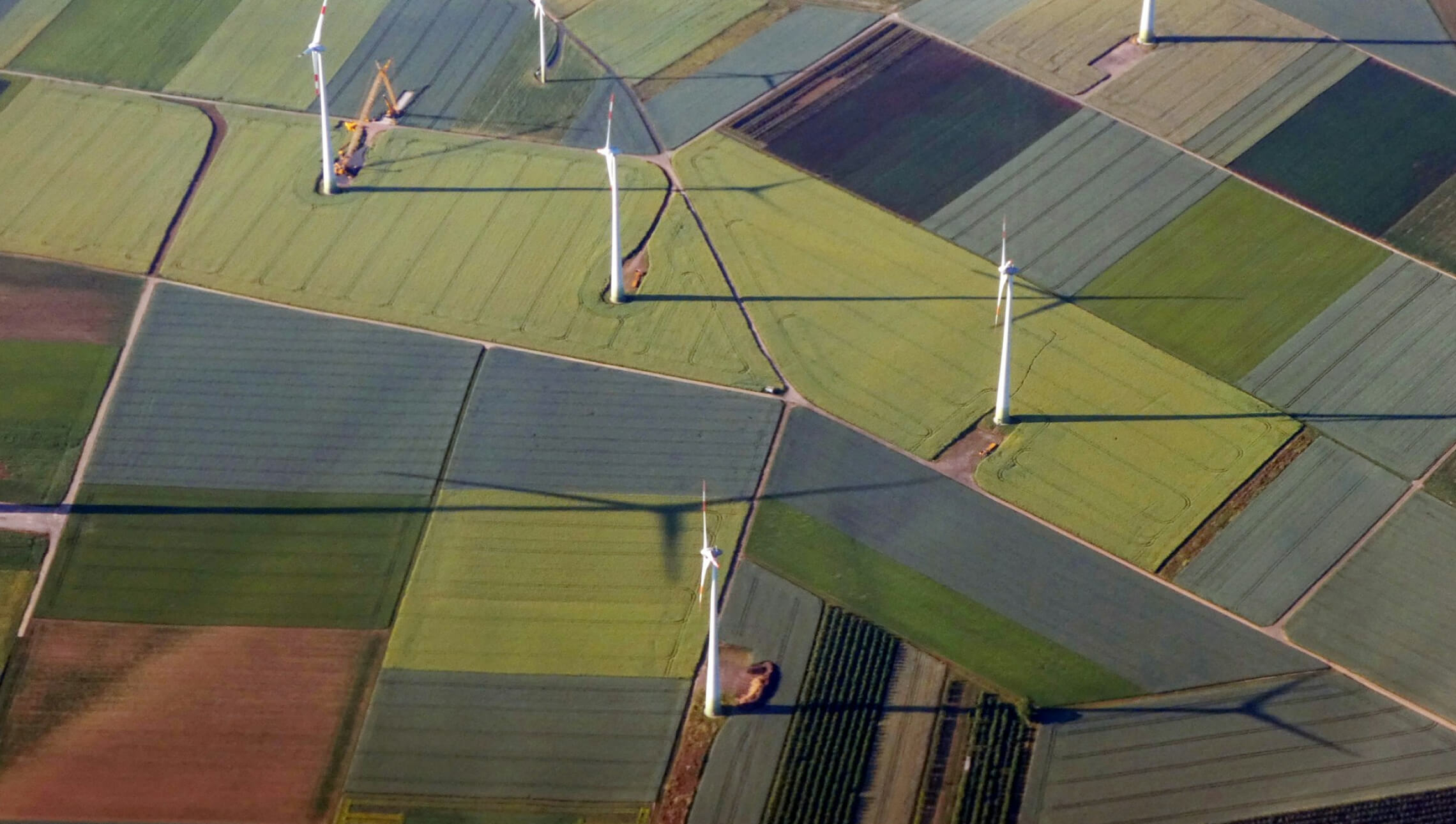
For BROOK, this scale creates an ideal operating environment. A large repower project allows testing and support work to be centralized in one location, improving efficiency and consistency across the site. It also creates the opportunity to place a dedicated lead on location to manage the repower effort, while BROOK continues handling ongoing work across other projects. This balance between on-site leadership and broader operational oversight is what makes repower projects especially valuable.
What Is a Wind Farm Repower?
A wind farm repower project involves upgrading existing wind turbines—or major components within them—to extend the operational life of the site, improve energy output, and reduce long-term maintenance costs. Repowering is not a one-size-fits-all process; the approach depends on turbine age, site conditions, and economic factors.
How Repowering Is Typically Performed
Repowering generally falls into three categories.
Full turbine replacement involves removing the existing turbine and installing a new system. This typically includes a new tower, nacelle, hub, and blades, and often results in a substantial increase in capacity—sometimes two to four times that of the original turbine.
Partial repower or component upgrades are more common. In these projects, the existing tower or foundation remains in place while major systems are replaced, such as:
- Blades
- Gearboxes or generators
- Nacelle internals
- Control and SCADA systems
This approach is frequently used when turbines reach 10 to 15 years of operation.
Life extension work focuses on keeping turbines operating safely beyond their original design life. These projects typically include:
- Structural inspections
- Repairs to foundations, towers, and pads
- Replacement of bearings, gearbox components, or electrical systems
Why Wind Farms Repower
Wind farm owners repower for a combination of operational, financial, and regulatory reasons. Repowering can significantly increase energy production through taller towers and larger rotors, reduce downtime by addressing aging components proactively, and help ensure compliance with updated grid, wildlife, and safety requirements. In many cases, repowering also allows operators to take advantage of tax credits and other economic incentives that improve project viability.
What a Repower Site Involves
A repower site brings together multiple disciplines and workstreams.
Typical activities include:
- Crane mobilization and heavy-lift operations
- Removal and disposal of old components, with recycling where possible
- Civil upgrades such as pad reinforcement and new crane access routes
- Electrical and collection system modifications
- Commissioning and testing of upgraded turbines
These activities require careful coordination to minimize downtime and ensure safe, efficient execution.
When Repowering Takes Place
Wind turbines are most commonly repowered between 10 and 20 years after installation. The exact timing depends on turbine model, site conditions, performance degradation over time, and the economic and regulatory environment.
Ready to Schedule Testing?
Contact BROOK Heavylift Testing Solutions today to schedule crane pad testing for your next wind farm project.
Related Articles
Building Crane Safety from the Ground Up
When it comes to wind turbine maintenance and repair, crane safety begins long before the lift. Understanding and managing the ground bearing pressure (GBP) beneath…
Reliance Heavylift Testing Solutions Rebrands as BROOK Heavylift Testing Solutions
Reliance Heavylift Testing Solutions Rebrands as BROOK Heavylift Testing Solutions, Signaling a New Era of National Growth.