
Building Crane Safety from the Ground Up
When it comes to wind turbine maintenance and repair, crane safety begins long before the lift. Understanding and managing the ground bearing pressure (GBP) beneath each crane pad is one of the most critical safety steps in the process.
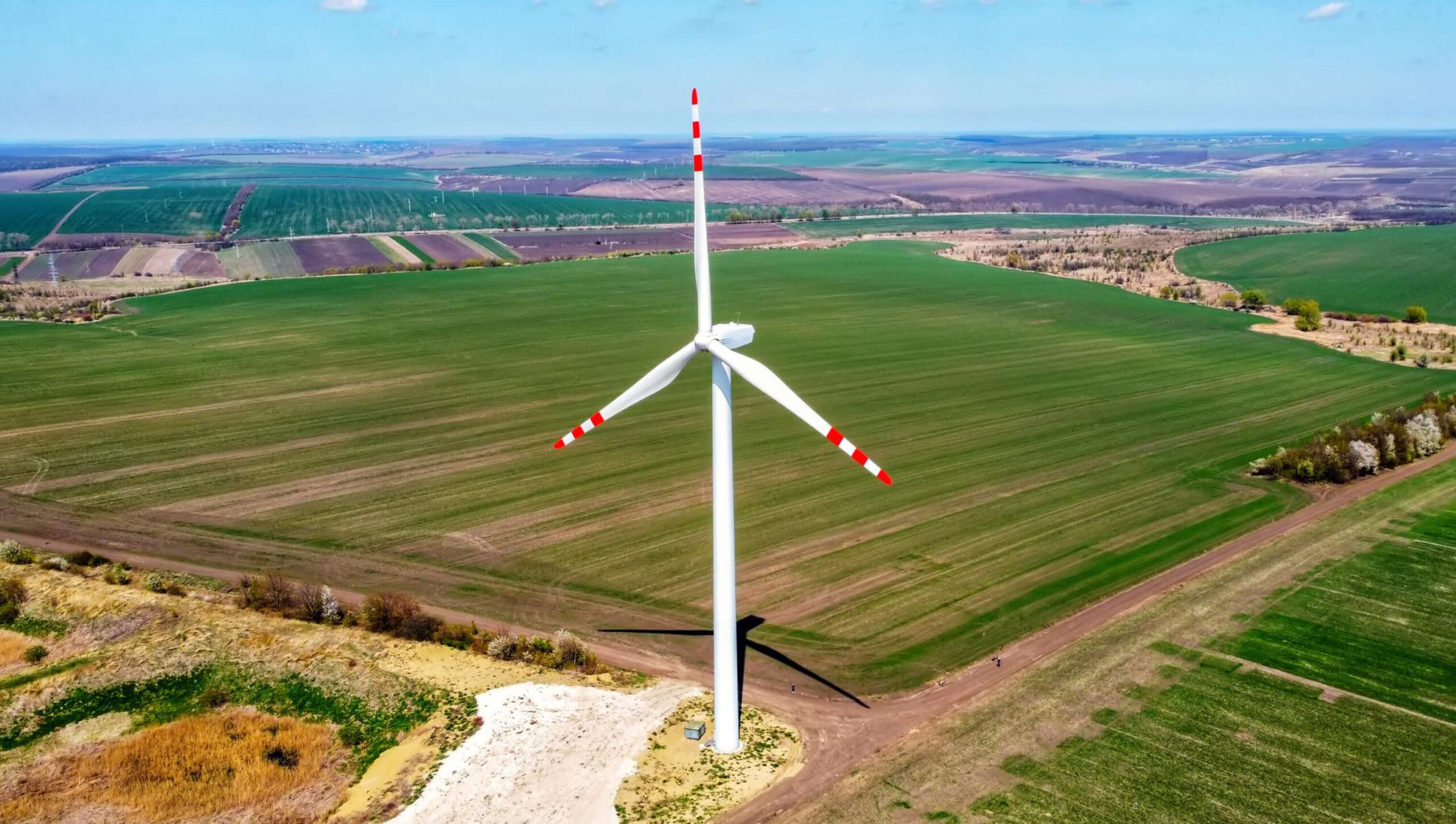
At BROOK Heavylift Testing Solutions, we specialize in geotechnical testing for temporary crane pads on wind farms across the U.S. Our testing ensures that when large cranes are mobilized for component replacements or gearbox repairs, the soil beneath them can safely support the load.
What Is Ground Bearing Pressure?
Ground bearing pressure measures how much force a crane’s outriggers or crawler tracks apply to the ground. Each soil type has a maximum load-bearing capacity, and exceeding that limit can cause settlement, shearing, or even catastrophic pad failure.
When you’re dealing with 600-ton heavy-lift cranes, those risks are amplified. Testing the ground before setup ensures operators have the data they need to configure cranes safely and prevent structural failure.
Why It Matters for Wind Farms
Wind farm crane operations face several unique challenges:
Unpredictable Soil Conditions
Wind turbine sites often sit on variable terrain — from compacted gravel to soft, reclaimed soil. A single outrigger on weaker ground can compromise the entire lift.
Massive Equipment Loads
Large all-terrain and crawler cranes concentrate thousands of pounds of pressure on relatively small pads. Without testing, it’s easy to overestimate what the soil can handle.
Temporary Crane Pads
Pads and access roads are often reused between maintenance projects. Over time, compaction changes, erosion, or weather can weaken them — making retesting essential before each mobilization.
High Wind and Dynamic Forces
Wind gusts and shifting loads add horizontal stress to the ground beneath a crane. Even a slight imbalance in bearing pressure can be enough to cause instability.
Testing Ground Bearing Pressure: A Safety Essential
At BROOK, we use Dynamic Cone Penetrometer (DCP) testing and other field-based geotechnical methods to measure soil strength and estimate safe bearing pressures in real time.
Our data-driven approach helps project managers:
- Verify that soil bearing pressures are within safe limits
- Adjust pad thickness, mats, or crane setup as needed
- Prevent costly ground failure, delays, or accidents
- Comply with safety standards and OEM lift requirements
Bottom Line: Safety Starts Beneath the Crane
Every successful lift on a wind farm starts with a stable foundation. Ground bearing pressure testing isn’t just a box to check — it’s a crucial step that protects people, equipment, and project timelines.
At BROOK, we provide the confidence that your crane pads are ready to perform under the heaviest loads — safely, efficiently, and with precision.
Because when the ground holds firm, everything else does too.
Ready to Schedule Testing?
Contact BROOK Heavylift Testing Solutions today to schedule crane pad testing for your next wind farm project.
Related Articles
What a Wind Farm Repower Looks Like — and Why It Matters
A repower occurs when a wind farm reaches a stage in its lifecycle where replacing or upgrading major turbine components becomes more effective than continuing to maintain aging equipment…

Reliance Heavylift Testing Solutions Rebrands as BROOK Heavylift Testing Solutions
Reliance Heavylift Testing Solutions Rebrands as BROOK Heavylift Testing Solutions, Signaling a New Era of National Growth.